
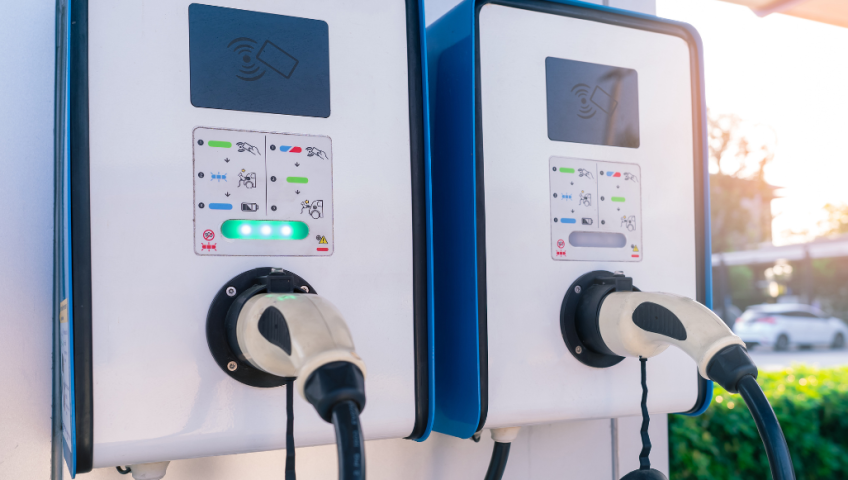
Electric vehicles (EVs) are transforming the way people drive and how homes and buildings consume energy. If you have more than one EV or plan to have more, the next big question is: how do you charge them without blowing your circuit breaker? The answer is load management. It lets you power multiple EVs without overloading your electrical system. That means no expensive upgrades, no juggling charging times, and no risk to your panel.
Why Load Management Is Becoming Essential
As EV adoption increases, many homes are adding multiple chargers. Without load management:
- Electrical panels can exceed safe capacity
- Breakers may trip frequently
- Expensive service upgrades may be required
Here’s what load management is, how it works, and why it’s a must-have if you own or plan to own more than one EV.
What Is Load Management for EV Charging?
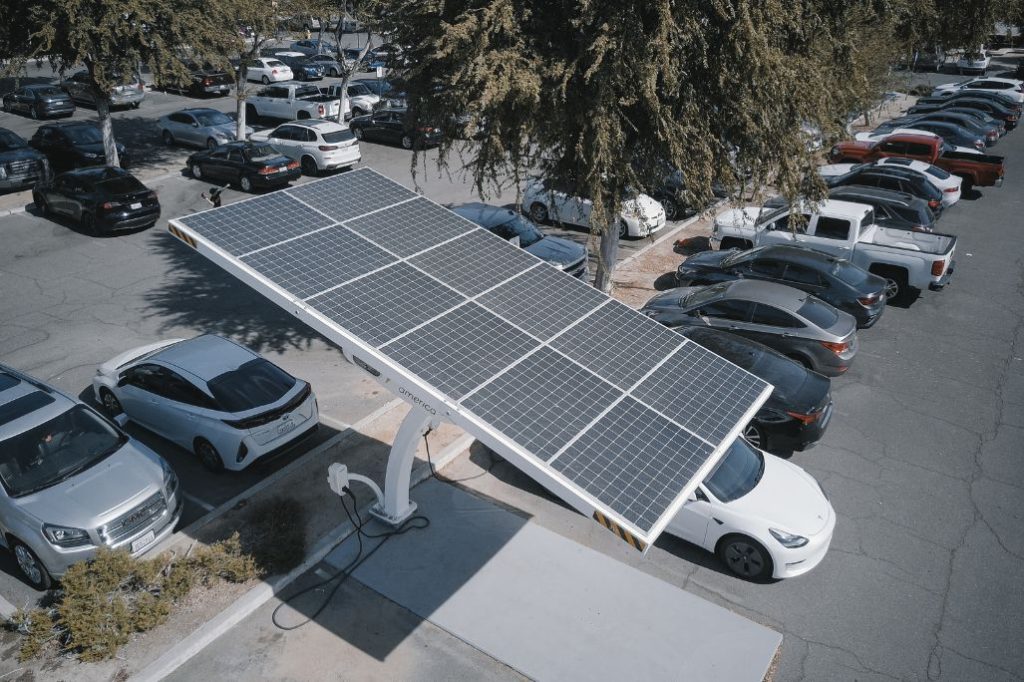
Load management is a system that controls the amount of electricity flowing to your EV chargers. It’s designed to prevent your panel from pulling more power than it can handle. Instead of charging every car at full speed all at once, load management spreads the available power between them.
Think of it like sharing a pizza. If three people are eating, each gets a slice. If one leaves, the rest get more. It’s the same with power. Load management provides each vehicle with just what it needs, without exceeding your limit.
Why EV Charging Can Overload Your System
Each home or building has a set amount of power it can safely use. When you plug in a car, it can draw as much power as a dryer or oven. Add another EV—or run your AC, dryer, and charger at the same time—and your system could get overloaded.
Overloads can trip breakers, damage wiring, or even cause fires. Upgrading your electrical panel to handle more power is both costly and time-consuming. That’s why load management is such a helpful tool. It keeps everything in balance.
Static vs. Dynamic Load Management
There are two main types of load management:
- Static Load Management: This sets a hard power limit for the EV chargers. They never go over it, no matter what else is happening in your home. It’s simple, but not flexible.
- Dynamic Load Management: This monitors your total power usage in real-time. If your home’s demand drops (for example, when your washer turns off), the EV chargers automatically receive more power. If demand rises, charging slows down.
Dynamic systems are more advanced and efficient. They utilize available power more efficiently and help you charge faster, without overloading.
How Load Management Works in Real Time
Dynamic systems continuously monitor total electrical usage in a home or building. When demand from appliances decreases, additional power is automatically allocated to EV chargers.
Charging More Than One EV
Let’s say you have two electric vehicles but only one charging circuit. Without load management, you’d have to charge one after the other. Or worse, risk overloading your panel.
With load management, both vehicles can charge simultaneously. The system balances power between them. If one car is almost complete, the other gets more juice. If one leaves, the other gets the full load.
In some setups, chargers even “talk” to each other to decide how to split the power. That means less waiting and no manual switching.
Cost Savings Without Upgrading Your Panel
Adding more power to your home means costly upgrades. A new panel or service upgrade can run into thousands of dollars. Load management helps you avoid that. It allows you to install multiple EV chargers on your existing system—no panel work required.
It also protects your system from damage caused by overload. That saves money in the long run. And because the setup is automated, it takes the guesswork out of charging.
Why Professional Installation Matters
Load management systems need to be installed by a licensed electrician. They’ll ensure the system is compatible with your panel and EV charger models.
At ROS Electric, we install EV charging systems with load management for homes, businesses, and commercial fleets. We guide you through the static vs. dynamic options, help you choose the proper setup, and ensure it meets local codes.
Safety Benefits Of Load Management
Safety Benefits of Load Management
Prevents overheating of wiring
Reduces risk of electrical fires
Protects panels from overload stress
Frequently Asked Questions About EV Charger Load Management
Can load management be added to an existing EV charger setup?
In many cases, yes. Compatibility depends on the charger model and electrical system.
Does load management slow down charging significantly?
Charging speed may vary based on available power, but systems are designed to optimize efficiency without exceeding limits.
Is load management required by code?
It is not always required, but it may be recommended or necessary depending on electrical capacity and installation type.
Can load management be used in commercial properties?
Yes, it is commonly used in multi-unit buildings, workplaces, and fleet charging environments.
Power Smarter. Charge More.
Want to charge multiple EVs without overloading your system? ROS Electric installs smart EV charging systems that fit your electrical needs—and your future plans. Stay safe. Save money. Get charged. Contact ROS Electric today to schedule your EV charger installation.
Write a Comment