Power Up Your Facility: Is Commercial EV Charging Right for Your Property?
Onsite EV charging is quickly moving from a “nice to have” luxury to a standard expectation for commercial properties. Employees are hunting for workplace charging, tenants are demanding EV-ready stalls in their leases, and corporate fleets are ditching gas for electric at a record pace. For property owners and facility managers, the real question is no longer if you need charging, but how you can install it without blowing out your existing electrical service.
No two buildings have the same power capacity or parking layout. One site might just need a couple of Level 2 chargers for the executive team, while another needs a massive, scalable grid to support a fleet of delivery vans. This guide breaks down the logistics of commercial EV infrastructure and what a professional installation by ROS Electric actually entails.
Signs Your Property is Ready for an EV Upgrade
You should start by looking at your actual parking patterns. If your lot is consistently full of Teslas and Rivians, or if your tenants are already asking about charging in their lease renewals, you are behind the curve. Relying on public “around the corner” charging is a major pain point that can drive high-value tenants toward newer, EV-ready buildings.
A serious EV strategy makes sense if:
- You are currently transitioning company cars or service vans to electric.
- You want to stay competitive in the “amenity war” for top-tier office tenants.
- You are already planning a major renovation or a parking lot repaving project.
- You have specific corporate sustainability or ESG targets to hit by next year.
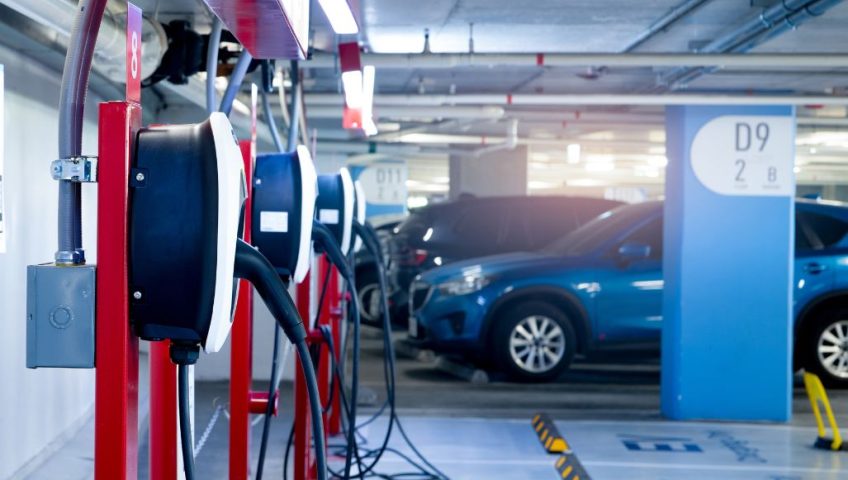
The physical setup of your building also plays a huge role. The best candidates for a smooth install usually have a central electrical room with a clear path to the parking area. If you can find a way to route conduit without cutting through 200 feet of concrete, your costs will drop significantly.
What a Commercial Install Actually Looks Like
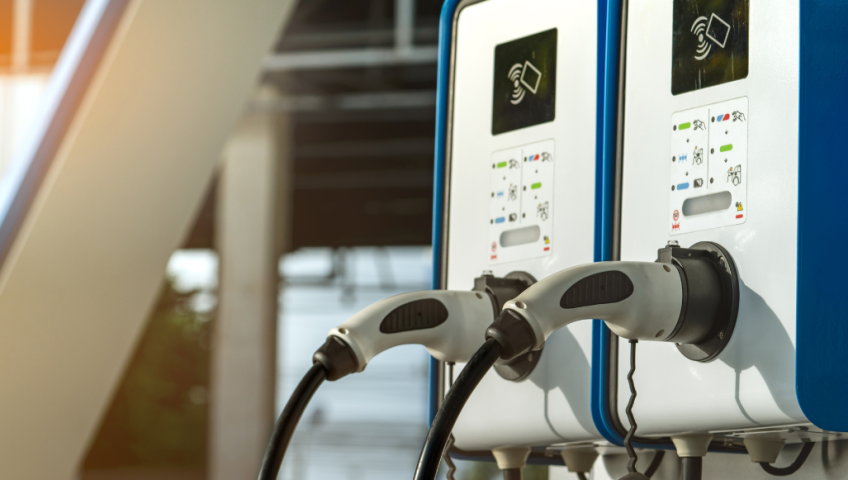
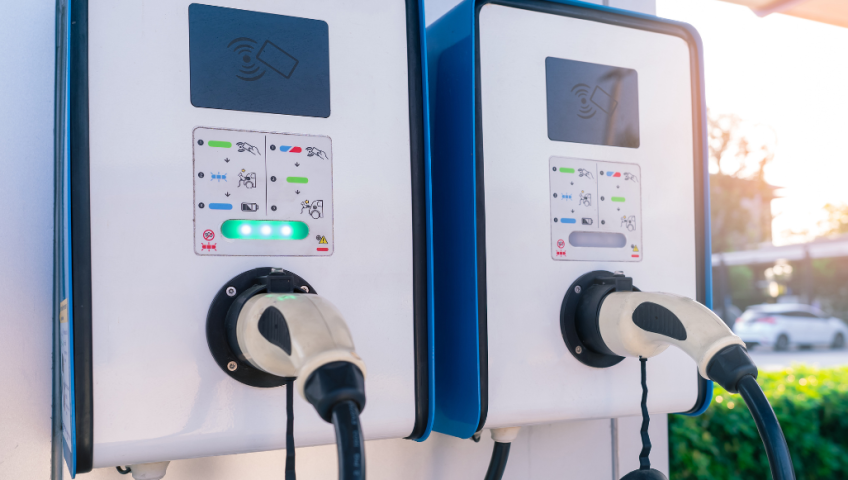
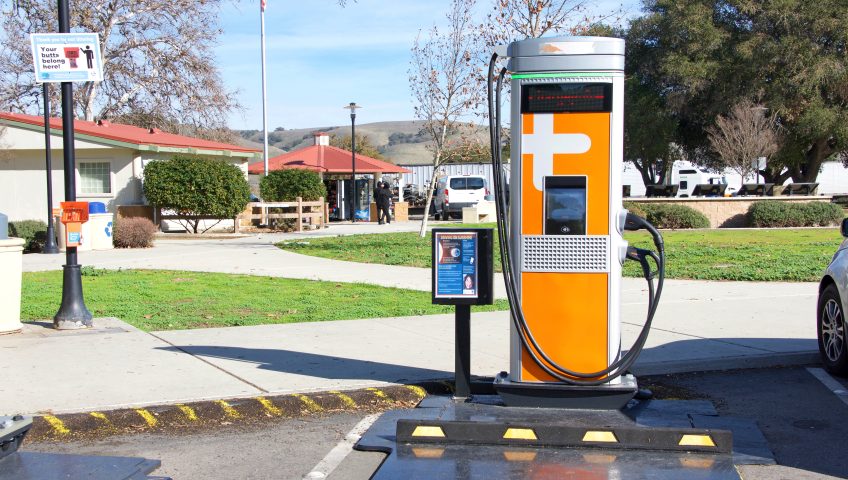
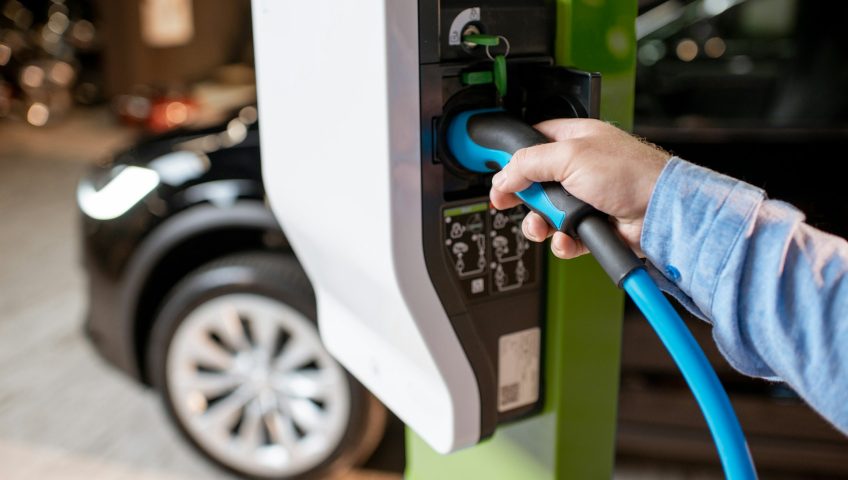
Most commercial sites end up with a mix of hardware. Level 2 chargers are the standard for people who stay for four hours or more. If you have a high-turnover retail spot or a fleet that needs to get back on the road fast, you will need DC Fast Charging.
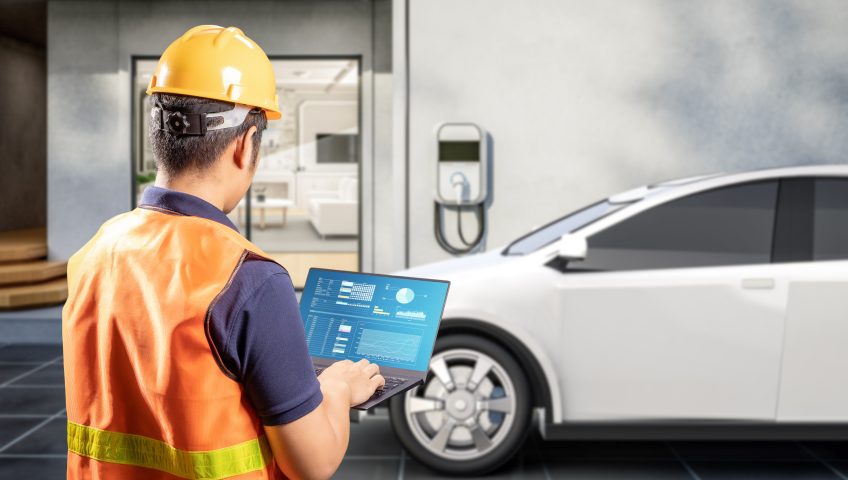
Before a single hole is drilled, a contractor like ROS Electric has to perform a “load audit.” We look at your main service size and your current peak demand. If your building is already running at 90% capacity during a summer heatwave, adding ten EV chargers will trip your main breaker.
The Infrastructure Checklist:
- Service Upgrades: We may need to add a dedicated EV subpanel or even work with the utility to increase the size of your “service drop.”
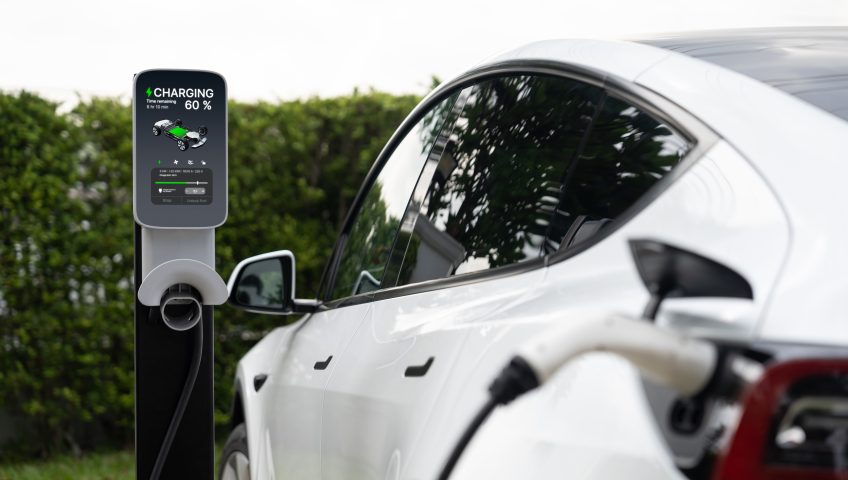
- Load Management: Modern chargers can “talk” to each other. If five cars are plugged in, the system can balance the power so it never exceeds your building’s limit.
- Code Compliance: The National Electrical Code (NEC) has very specific rules for EV wiring, especially regarding grounding and fault protection.
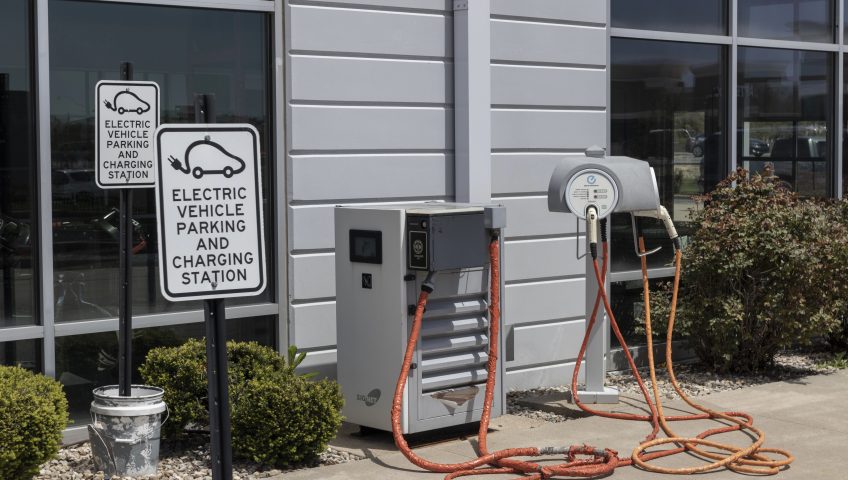
- Accessibility: You have to consider ADA requirements. EV stalls need to be accessible to all users, which often dictates where they can be placed in your lot.
The Reality of Costs and ROI
Commercial EV charging is an investment in your property’s future value. A typical project budget includes the hardware itself, the new electrical panels, the labor, and any “civil work” like trenching through a lot or coring through a foundation.
While the upfront cost can be significant, the long-term ROI is usually found in tenant retention and “green” tax incentives. Many utility companies offer massive rebates that can cover 50% or more of the infrastructure costs. Furthermore, for fleet owners, the fuel savings over gas or diesel are immediate and trackable through a networked dashboard.
Weather and Operational Challenges
You have to plan for the “worst case” weather in your area. In the heat of summer, charging systems need proper ventilation to keep the internal electronics from throttling down. In the dead of winter, EV batteries are less efficient and take longer to charge. This means your “turnover rate” for each stall might slow down in January.
A professional installer will ensure:
- Equipment has the right NEMA rating for rain, snow, and dust.
- Chargers are protected by bollards so a delivery truck doesn’t accidentally back into a $10,000 unit.
- Lighting and CCTV coverage around the stalls are sufficient to keep users safe at night.
Why You Need an Experienced Electrical Partner
Installing an EV charger is not like plugging in a toaster. It is a high-voltage infrastructure project that ties directly into the “heart” of your building. If it is done poorly, you face nuisance trips, fried equipment, or even fire risks.
At ROS Electric, we look at EV charging as part of your total building ecosystem. Since we already handle power, data, and security systems, we can make sure your chargers are networked properly for billing and monitoring. We provide as-built drawings so your future maintenance teams aren’t guessing where the wires are buried.
Ready to Power Up?
If you are evaluating EV charging, start with a site walk. Look at where your people park and how long they stay. If you see EV adoption growing in your industry, a proactive plan will save you a fortune compared to a “rushed” upgrade later.
Adding these chargers is a signal to your clients and employees that your facility is ready for the future. It is a practical step toward operational resilience.
Upgrade Your Commercial EV Charging with Trusted Experts
If you are ready to plan or expand commercial EV charging, ROS Electric can help with safe, code-compliant EV charger installation, infrastructure planning, and system upgrades. We will review your electrical capacity, discuss operational needs, and recommend an approach aligned with your property and long-term plans. To schedule an assessment, plan a project, or request a quote for upgrades and new installations, contact us and we will follow up promptly.