
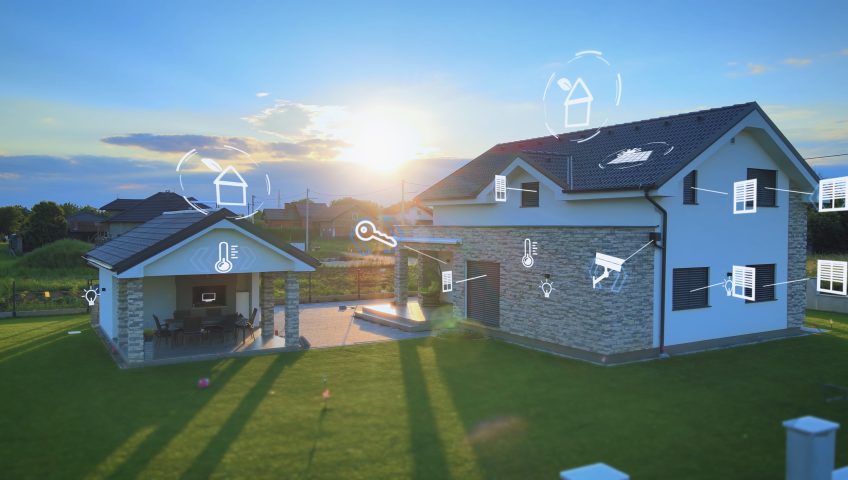
As technology continues to evolve, home automation is rapidly becoming a standard feature in modern households. From smart thermostats that adjust the temperature based on your preferences to security systems that you can monitor from your smartphone, the convenience and efficiency offered by home automation are undeniable. But with these advancements comes the need to ensure your electrical system is up to the task. In this post, we’ll explore what the future holds for home automation and how you can prepare your electrical system to handle these innovations.

Understanding the Basics of Home Automation
Home automation refers to the integration of various electronic devices within your home to create a seamless, connected environment. This can include everything from lighting systems and HVAC units to security cameras and entertainment systems. The key to successful home automation is ensuring that all these devices can communicate with each other and be controlled remotely, typically through a central hub or smartphone app.
To support these devices, your electrical system needs to be robust and flexible. This means having sufficient wiring, properly rated circuits, and enough outlets to accommodate the increased demand for power. If your home is older, it might be time to consider an electrical upgrade to ensure it can handle the load.
The Importance of Future-Proofing Your Electrical System
As home automation technology continues to advance, the demand for your electrical system will only increase. Future-proofing your system involves anticipating these needs and making upgrades that will allow your home to adapt to new technologies as they emerge.
One important consideration is the installation of dedicated circuits for high-demand devices like electric vehicles, smart appliances, or whole-house entertainment systems. Additionally, upgrading your electrical panel to a higher capacity can prevent overloads and ensure your system can handle the demands of a fully automated home.
Enhancing Your Home’s Connectivity
A critical component of home automation is connectivity. Devices need to communicate seamlessly, whether via Wi-Fi, Bluetooth, or hardwired connections. Ensuring that your electrical system is equipped to support these communication methods is essential.
This might involve running additional cabling throughout your home to support hardwired connections, or installing power-over-Ethernet (PoE) switches that can deliver both power and data to devices like security cameras or smart doorbells. A strong, reliable internet connection is also crucial, as many automation devices rely on cloud-based services.
Integrating Smart Security Systems
Home automation isn’t just about convenience—it’s also about safety. Modern smart security systems offer features like remote monitoring, real-time alerts, and even integration with local emergency services. However, these systems require a dependable electrical infrastructure to function effectively.
Preparing your electrical system for a smart security setup might involve adding backup power sources, such as uninterruptible power supplies (UPS) or even a whole-home generator, to ensure your system stays operational during power outages. Additionally, surge protection can safeguard your devices against electrical spikes that could damage sensitive equipment.
Planning for Energy Efficiency
One of the biggest advantages of home automation is the potential for increased energy efficiency. Smart thermostats, lighting systems, and appliances can all be programmed to reduce energy consumption, but they need a well-designed electrical system to operate efficiently.
Consider installing energy-efficient lighting, such as LED bulbs, which not only use less power but also last longer than traditional bulbs. Smart switches and outlets can further reduce energy usage by allowing you to control devices remotely and schedule them to turn off when not in use.
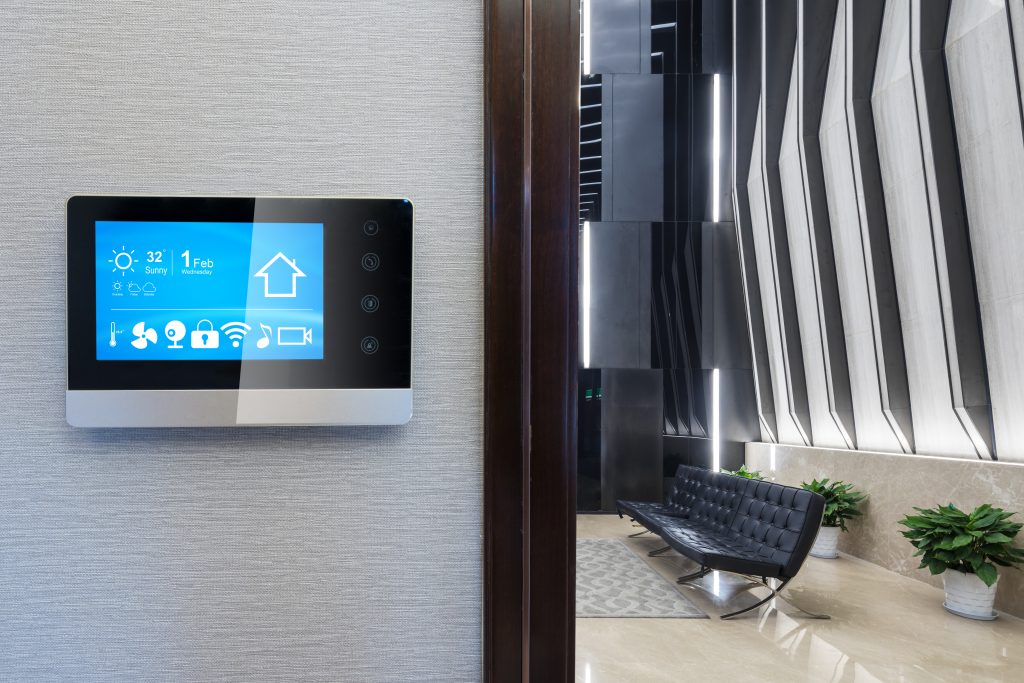
Preparing Today for Tomorrow’s Smart Home
The future of home automation is bright, but it requires careful planning and preparation to fully realize its potential. By upgrading your electrical system today, you can ensure that your home is ready to embrace the technologies of tomorrow. Whether it’s adding new circuits, enhancing connectivity, or integrating smart security, these steps will not only improve your home’s functionality but also increase its value.
Ready to future-proof your home? Contact ROS Electric today to schedule a consultation and start preparing your electrical system for the smart home revolution.
Write a Comment