

In the realm of healthcare, reliable power isn’t just a convenience—it’s a critical lifeline. Hospitals and medical facilities rely heavily on uninterrupted power to operate life-saving equipment and maintain essential services. This is where emergency power systems, particularly generators, become indispensable. The failure to have a robust backup power solution can be the difference between life and death during a power outage. Here’s why every medical facility should consider installing a high-quality generator, as provided by ROS Electric.
Why Backup Power Is Critical for Medical Equipment
Medical equipment often requires continuous, stable voltage to operate safely. Even brief interruptions can:
- Disrupt life-support systems
- Corrupt medical data
- Damage sensitive electronics
Uninterrupted Clinical Operations
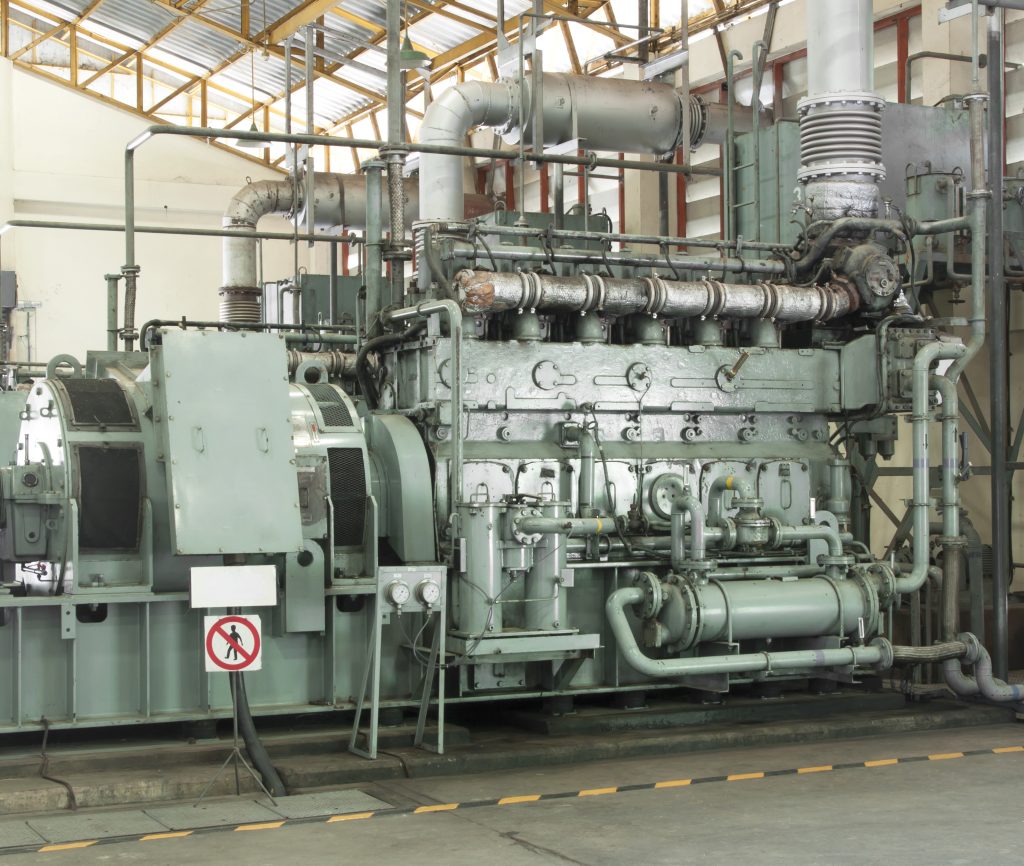
During a power outage, essential medical devices such as ventilators, incubators, and heart monitors must continue functioning without disruption. Generators ensure that these critical systems keep running, preventing any compromise in patient care. ROS Electric’s generator installation services are tailored to meet the unique power needs of healthcare facilities, ensuring that clinical operations continue smoothly, even during unexpected power failures.
Preservation of Medicines and Biological Materials
Many medicines, vaccines, and biological materials require constant refrigeration or freezing to remain effective. A power outage, without a reliable backup, can lead to the spoilage of these critical supplies. By integrating generators into their emergency power strategy, medical facilities can safeguard these valuable resources against the risks posed by power interruptions.
Safety and Security Systems Remain Active
In addition to medical equipment, power is essential for lighting, security cameras, and electronic access systems that ensure the safety and security of the hospital premises. Generators provide the necessary power to keep these systems operational, maintaining a secure environment for patients, staff, and visitors alike.
Support for Emergency and Surgical Procedures
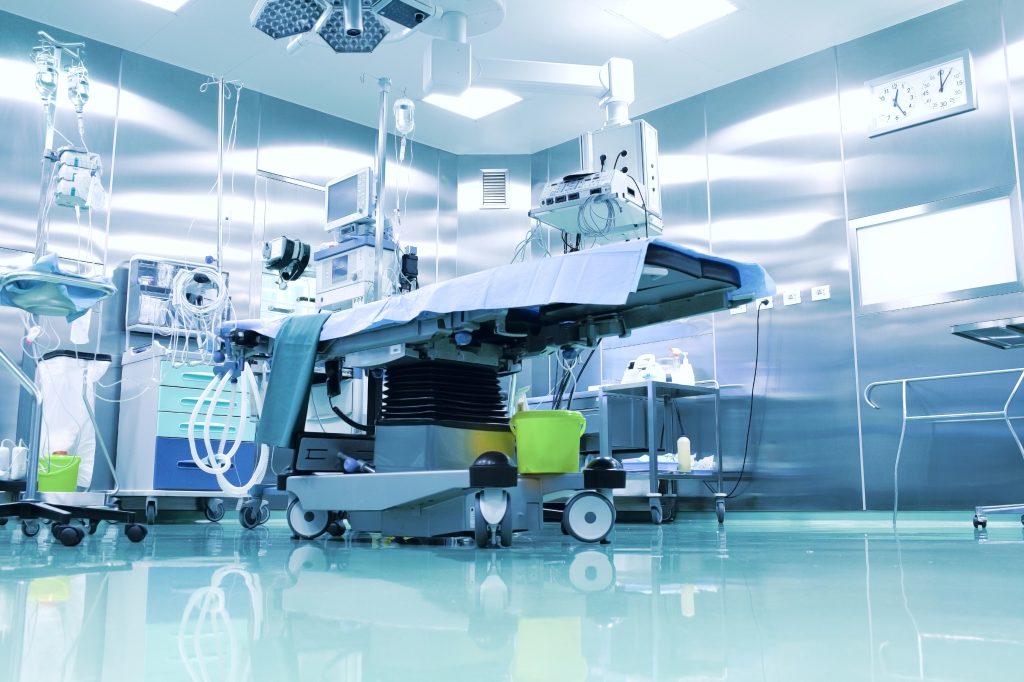
Surgeries and other critical procedures require an array of medical equipment that must operate flawlessly. The availability of emergency power via generators ensures that surgeries can proceed without the risk of power-related interruptions, which could potentially lead to life-threatening situations.
Compliance with Health Regulations
Healthcare facilities are often required by law to have emergency power systems to maintain their license and accreditation. Failure to comply with these regulations can not only result in penalties but also compromise patient trust. ROS Electric helps ensure that facilities meet these critical regulatory requirements with reliable generator solutions.
Types Of Generators Used In HealthCare Settings
- Standby generators: Automatically activate during outages
- Portable generators: Used for temporary or supplemental power
- Industrial generators: Designed for large facilities with high load demands
Enhanced Patient Comfort and Care
Finally, beyond the life-saving tech and regulatory checkboxes, the presence of an emergency power source like a generator ensures that patient comfort is not compromised. This includes maintaining air conditioning, heating, and other facilities that contribute to a conducive healing environment.
Secure Your Power in Emergencies Today
For healthcare facilities, the decision to invest in a dependable emergency power system should be a priority. At ROS Electric, we specialize in providing top-tier generator installation services that ensure your medical equipment and critical systems never skip a beat during a power outage. Don’t wait for the next power failure to realize the value of emergency preparedness. Contact ROS Electric today to discuss your generator needs and ensure your facility is equipped to handle any power disruption with confidence.
Frequently Asked Questions About Generators for Medical Equipment
How quickly does a standby generator turn on during an outage?
Most standby generators activate automatically within seconds of detecting a power loss.
Can a generator power all medical equipment at once?
It depends on the generator size and load capacity. Proper sizing ensures all critical equipment can run safely.
How often should backup generators be tested?
Generators should be tested regularly—often weekly or monthly—and maintained according to manufacturer recommendations.
Do generators provide consistent voltage for sensitive equipment?
Modern generators are designed to deliver stable power, but proper installation and maintenance are essential for sensitive medical devices.
Key Considerations When Selecting a Generator
- Total electrical load requirements
- Runtime and fuel availability
- Automatic vs manual operation
- Maintenance and testing schedules
Write a Comment