
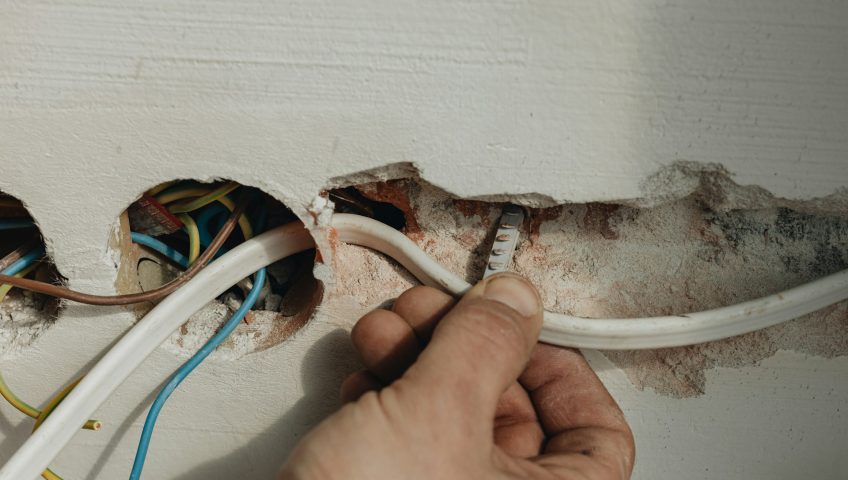
Understanding Commercial Electrical Rewiring and Retrofits
Commercial electrical rewiring and retrofit projects are massive undertakings. However, they are also the most important steps you can take for safety, uptime, and future growth. As buildings age and add more tech like servers, production machinery, and smart building systems, the original wiring begins to choke under the pressure.
This guide breaks down what a full-building rewire or electrical retrofit actually looks like. We will look at the red flags that suggest your facility is at risk, the step-by-step process of the work, and how to prep your team for the transition. The goal is to help facility managers and property owners make smart calls about the infrastructure that keeps their business alive.
How a Full Rewire Protects Your Bottom Line
A commercial rewire or retrofit involves replacing most or all of the conductors, outlets, and distribution gear in a facility. Many offices and warehouses were built long before we had the power demands of 2026. The original systems simply were not designed to handle the heavy loads of modern data centers or EV charging stations.
By rewiring, you drastically cut the risk of fire from damaged or overloaded wires. It also brings your circuits up to the latest National Electrical Code (NEC) standards. This ensures your grounding and surge protection actually work when you need them to.
Modern wiring helps your facility run high-efficiency HVAC units, specialized machinery, and complex security systems without the constant “nuisance trips” or voltage drops that kill productivity. A solid electrical backbone also gives you much more predictable performance during those summer peaks when every AC unit in the park is humming.
Signs Your Building is Reaching the Breaking Point
Your building usually tells you when the electrical system is failing. You just have to know what to listen for. Common warning signs include:
- Frequent Breaker Trips: If your maintenance team is resetting breakers once a week, the system is overloaded.
- Flickering or Dips: If the lights dim every time the elevator moves or a compressor kicks on, your voltage is unstable.
- Physical Heat: If a switch, outlet, or panel cover feels warm to the touch, you have a high-resistance connection that could start a fire.
- The Smell of Ozone: A faint burning plastic or metallic smell near a junction box is an immediate emergency.
Older properties might still have cloth-insulated wires or aluminum branch circuits. These are major red flags for insurance companies. If your building is more than thirty years old and has not had a full system audit, you are likely sitting on a liability. These issues often come to light during lease negotiations or buyer inspections, and they can tank the value of a property fast.
What Actually Happens During a Rewire?
Facility managers are usually worried about how much a rewire will disrupt the workday. While every project is unique, the flow of the work is generally the same.
The process starts with a deep-dive assessment of your current service and load layout. Once a plan is in place, the contractor handles the permits and coordinates with the utility company if the main service size needs to increase.
During the install, licensed electricians run new cables through existing conduits, walls, and ceiling plenums. They will replace outdated panelboards and install new, dedicated circuits for things like your server room or fire alarm system. To keep your business running, a good contractor will phase the work floor-by-floor or handle the loudest tasks after hours.
The Inspection Phases:
- Rough-in: An inspector checks the wiring before the walls or ceilings are closed back up.
- Final: Once devices are installed and the power is live, the final check ensures everything meets the NEC and local safety rules.
Timeline, Cost, and Reality Checks
A commercial retrofit can take anywhere from a few days for a small shop to several weeks for a massive warehouse. The timeline depends on how accessible the wiring is and whether the work has to happen at night.
What Drives the Price Tag:
- Total Square Footage: The more wire and conduit needed, the higher the cost.
- Panel Upgrades: If you need a new 800-amp service to replace an old 400-amp one, that adds to the budget.
- Power Quality Gear: Adding surge protection or harmonic filters for sensitive electronics.
- Accessibility: Wiring tucked behind permanent masonry walls is much harder to reach than wiring in a drop ceiling.
Most owners find that a planned retrofit is much cheaper than an emergency repair. Patching a failing system is like putting a band-aid on a dam. It might stop the leak for a day, but it does not fix the underlying structural problem.
Preparing Your Team for the Project
Success depends on how well you prep the facility. You need to clear access to every electrical room and panel. If you have sensitive gear near where walls are being opened, move it early.
You must plan for power interruptions. Specific sections of the building will have to go dark for set periods. This hits your IT network, your security cameras, and your HVAC.
Pro-Tips for Preparation:
- Identify Critical Loads: Know which servers or medical fridges need backup power or a temporary generator.
- IT Coordination: Make sure your tech team is ready to shut down and reboot the network safely.
- Outage Windows: Communicate clearly with tenants and staff so they are not surprised when the lights go out at 5:00 PM on a Friday.
Why Partners Matter for Commercial Retrofits
Rewiring a commercial building is not a job for a handyman. You need a team that understands how changing occupancy affects the power grid. ROS Electric specializes in these complex upgrades for retail, industrial, and multi-tenant spaces.
We look at your wiring through the lens of growth. We do not just fix what is broken. We design a layout that supports where your business is going in five years. This includes everything from EV charging stations to building automation and CCTV integration.
Working with a professional team means you get accurate load calculations, support with city permits, and a system that actually passes inspection the first time. It is an investment in the reliability and safety of your property.
Get Started with a Commercial Electrical Evaluation
If you are upgrading outdated wiring or planning a renovation or tenant improvement, ROS Electric can help you design and complete a commercial electrical rewiring and retrofit that is safe and up to code. We will review your facility, discuss operational needs, and provide a clear plan and pricing. Reach out to us today to schedule a commercial electrical system evaluation or retrofit consultation.
Write a Comment